
The Real Reason That Coffee Mattered
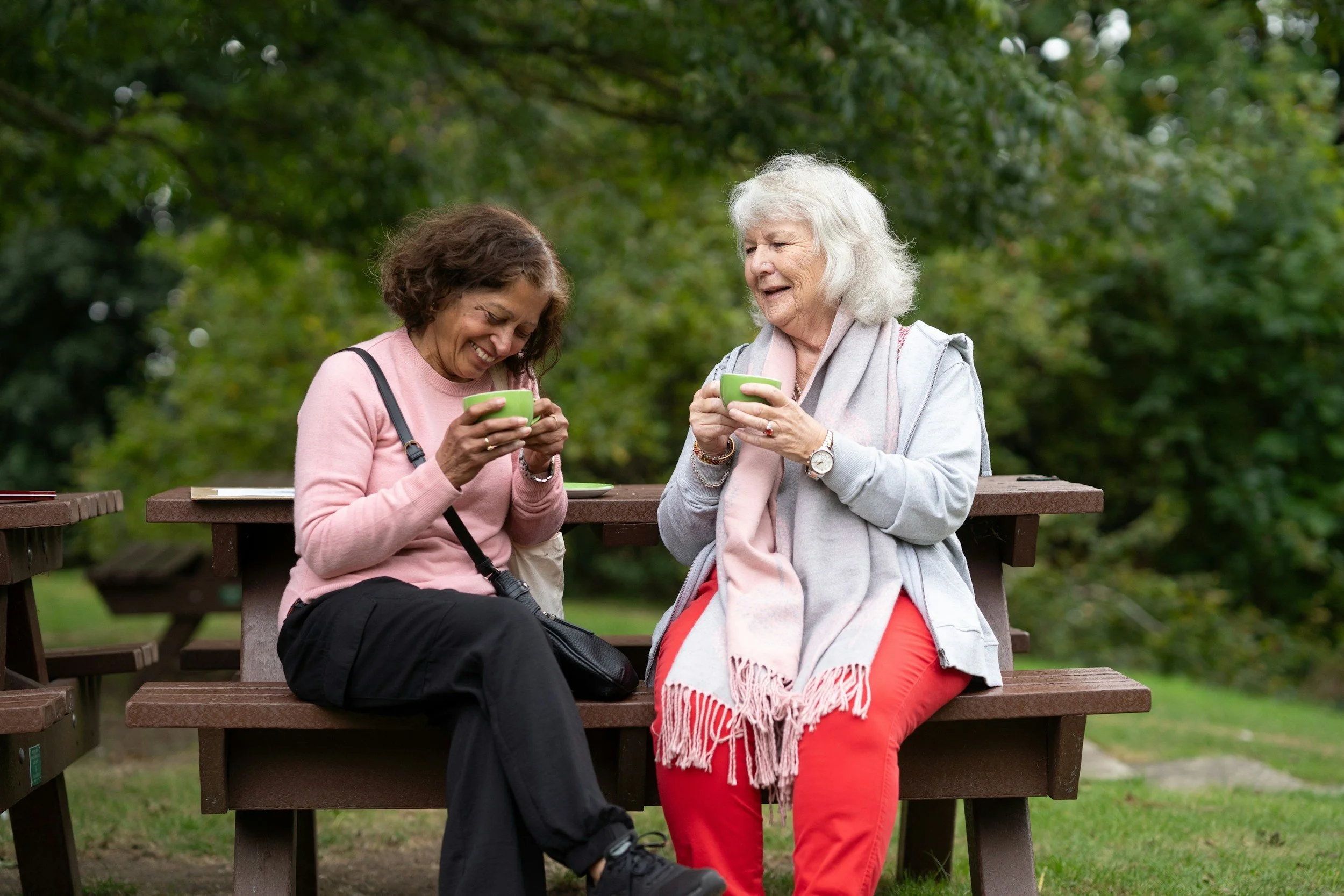
We sat together at our usual corner table, on those familiar wobbly chairs. Our coffees cooled, but we didn’t notice.
Last week, a few women from my fitness class and I ended up there again, like we often do. We talked about our aching bodies, husbands, a great shop that closed, someone’s knee replacement, a daughter moving away, and the death of a friend.
For a few hours, we shared these losses: big and small; being there for each other.
I've been thinking about why that time together felt more meaningful than many conversations we plan ahead. More meaningful, actually, than a dinner party I went to a few weeks before that, beautifully set table, good food, everyone dressed properly, and I came home feeling strangely more tired than I had going in.
Nothing was wrong with it exactly, but I don't think a single true thing got said all evening.
In this Article:
Why this talking actually helps
As a psychologist, I spend a lot of time looking at research on connection and ageing. One thing I see over and over is that just being around people isn’t what protects us as we get older.
There's a large study, a meta-analysis pulling together data from hundreds of thousands of adults, published in Ageing Research Reviews, that found social isolation raises dementia risk by around 26%. Loneliness, the actual felt sense of being disconnected, not just being alone, raised it even further, by as much as 40 to 50%.
Isolation doesn't always look like what you'd expect, either. You can be in a full house, with a busy family and a packed schedule, and still feel isolated in the ways that matter most, which is exactly what that dinner party was for me. Plenty of people, almost no actual connection.
What really matters is having simple, low-pressure, genuine time with people who know your life well enough that you don't have to explain everything from the beginning.
That's a big part of what you get from sitting at a corner table with women who really understand your experiences.
We're all in the same stage of life, and that shared understanding and compassion is exactly what let the conversation go as deep and as easily as it did.
What’s actually different about it
There’s no agenda at a table like that. No one is trying to fix anyone’s problems, steer the conversation, or rush anyone toward a conclusion or a solution. You can say something unfinished and just let it be, without needing to make it perfect first.
Compare that to the dinner party. Everyone was watching the clock, in a sense, waiting for a polite gap to speak, choosing topics that wouldn't make anyone uncomfortable, pretending to be interested in things nobody actually cared much about.
When there's nothing to fix and nowhere else you’d rather be right now, your body can actually relax in a way that's harder to access when a conversation has a purpose attached to it, even a pleasant one.
Why this is much harder to find
This kind of contact used to be more common. Life is busier now, and many of us live farther from the people who were once part of our daily lives. Old colleagues, neighbours we no longer see, friends who have moved away after retiring or moving, or who have died.
Now, most of what fills that gap happens through a screen. A message, a comment, or a short chat squeezed in between other things. These aren’t necessarily bad, but they rarely have the same feeling as those moments at the shared coffee table: relaxed, spontaneous, and with no hurry to be anywhere else.
That kind of connection needs real time together, and time is what seems hardest to find.
If you don’t have this yet
I realise not everyone reading this has a group of friends like my fitness-class women. Some of you might be widowed, have just moved, feel distant from old friends, or feel nervous joining a group.
You might already be feeling quite alone, and I want to acknowledge that before going any further.
It doesn't have to start with a whole group. Sometimes it starts with one person you already know a little. Sometimes, especially if you're starting from nothing, it helps to find that first hour somewhere more structured, before it can become more free-flowing.
Rebuilding friendships after a loss or in a new place takes time, and it won’t happen just by reading an article. Usually, it starts smaller than people think: one simple conversation, then another, instead of a full group coming together all at once.
What this means for you
You don't need a program or a detailed plan to start building more of this. If you've got one person already, a friend you text sometimes, a neighbour you wave to, that's genuinely enough to begin with. And if you've been thinking about joining a group but haven't taken the step yet, that thought you keep having is probably worth listening to.
Research shows that ordinary, low-pressure time with people who understand you might be better for your brain and wellbeing than almost anything you could plan on purpose.
If you've got a catch-up like that in your life, it's worth protecting, even when it seems like just an ordinary hour in the same cafe on those wobbly chairs.
Love,
Penelope 🌷

Closing Thoughts
If this blog resonated with you and you want to connect, comment below with a word or a story, or simply say 'here.'
There's more of this work available—free bi-weekly Ageing Honestly letters.
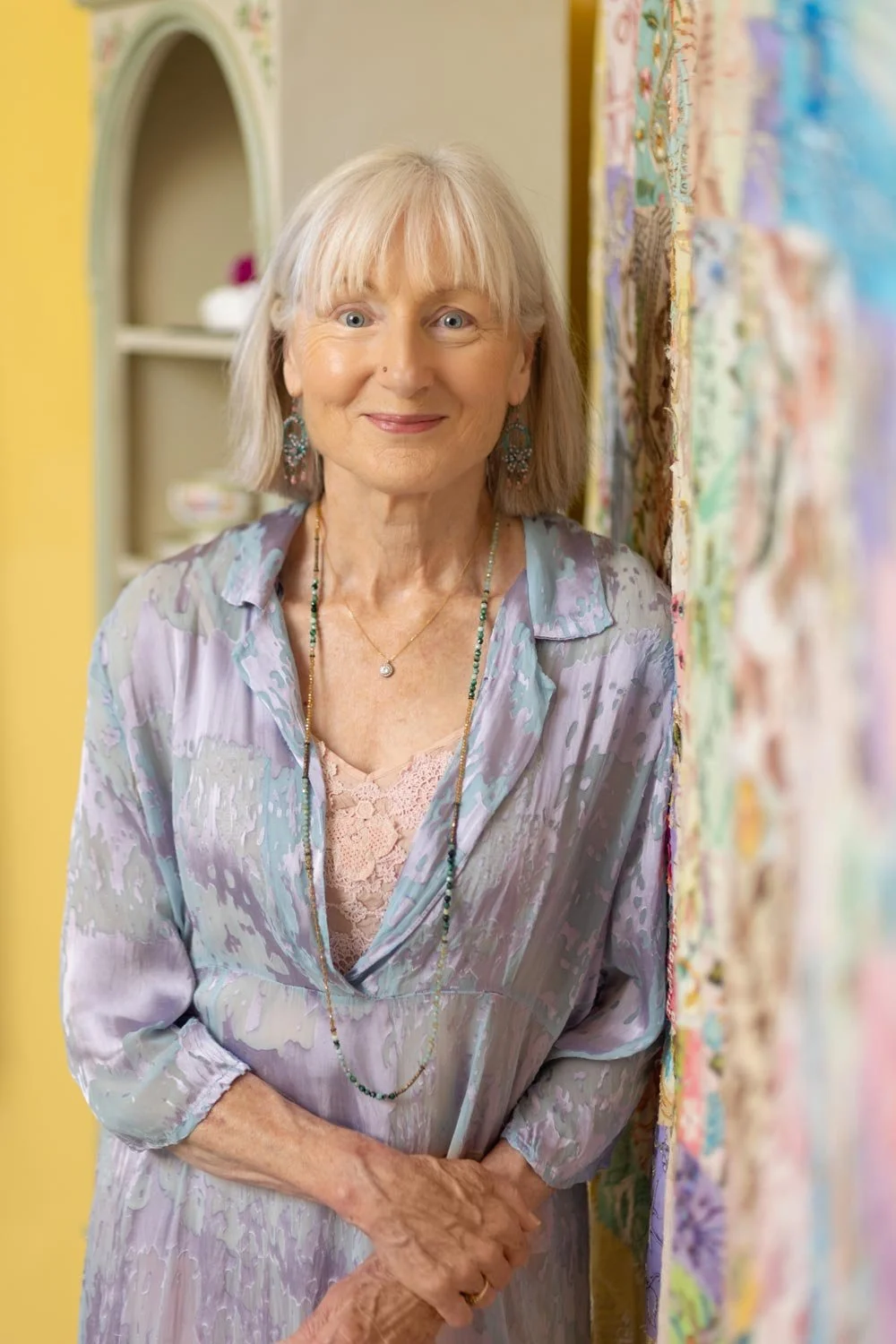
Penelope Lane is a clinical psychologist, mindfulness teacher, and fitness and brain health trainer who helps women over 60 build whole strength—body, mind, heart, and soul. At 68 she's learned the hard way that staying alive isn't the same as feeling alive.
