
WHAT HAPPENS WHEN YOU DROP THE ACT
A few weeks ago, I wrote about how we often say "I'm fine" automatically, without even thinking. But there's more to it than just those two words.
It's about the whole routine that forms around it, sometimes lasting for years. The way you speak and the version of yourself you get so used to performing that you stop realising it's an act.
It’s also about what it takes to keep this up, and what changes when you finally let it go.

In this Article:
What the act actually costs you
Most of us begin putting on an act before we even notice it.
I didn’t notice this in myself until my body wouldn’t let me pretend anymore. As you get older, you have to face the truth, even if you’d rather not.
Your body changes in ways you can’t cover up, especially when you act like everything is fine. The roles you play shift, and sometimes they vanish. The old idea of who you should be doesn’t fit anymore, and you’re left wondering what happens if you let go of the act.
Trying to act like everything is fine has a price. When you smile so others won’t worry, say you’re "fine" just to avoid problems, or stay positive because people expect it, you lose some energy, honesty, and you drift a little further from yourself each time.
You don't need an audience to drop the act. Being real matters, even if no one else sees it.
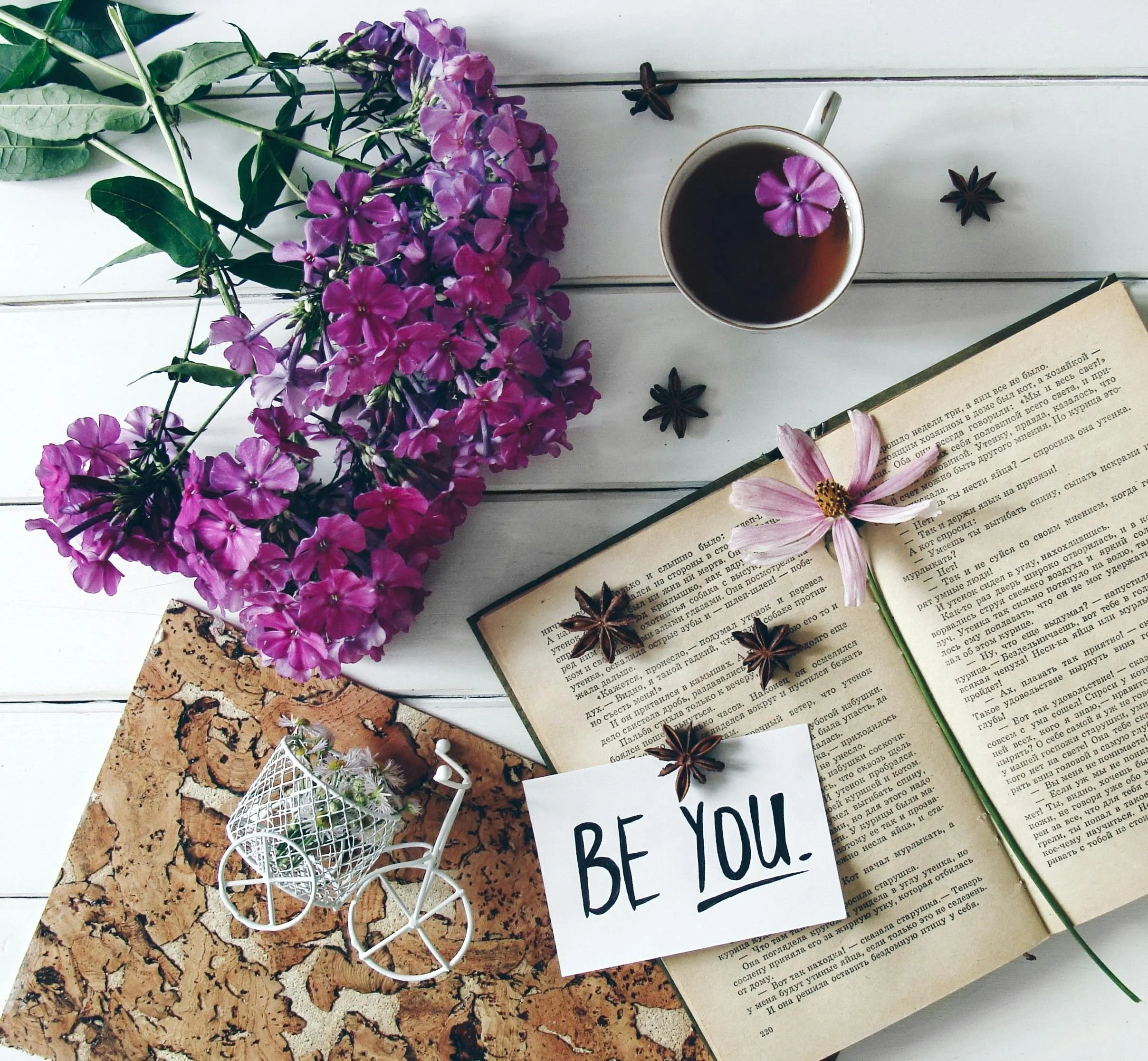
The coffee table
A few weeks ago, I wrote about having coffee with some women from my fitness class. The chairs were wobbly, the coffee was great, and the place was noisy. For a few hours, none of us pretended. We just spoke honestly: a sore knee, a daughter moving overseas, and a friend who died, leaving a quiet emptiness.
No one offered advice. No one needed us to pretend we were fine or to find something positive to say. We could just be ourselves, without worrying about what anyone thought.
Since then, I've wondered what made that possible. It wasn't the coffee, or the fact that it was unplanned. For that time together, none of us felt we had to be seen a certain way.
A room full of strangers in fishnets
Tim Curry died recently, and it reminded me of my teenage years: sitting in a dark cinema, watching Rocky Horror with Frank-N-Furter coming down in that elevator, not caring at all about anyone’s opinion of him or his fishnet stockings.
Back then, I didn’t realise Rocky Horror was more than just a movie. People went to midnight shows dressed as their favourite characters, singing along loudly with others who quickly became friends.
Everyone was being themselves in a way they probably weren’t anywhere else that week. It was a whole community, built on the freedom to be yourself.
Spaces like that are rarer than they should be. Most of us don’t have a regular place to be honest about ourselves. Some of us never have.
Finding ‘your’ room
If you don’t have a space like that, I’ll be honest, it’s harder to build one now than it was earlier in life. Most people who seem to have it figured out started working on it years ago and are just maintaining it now.
You don’t have to start with a big group. Sometimes it begins with something simple, like an honest chat with a friend or a more structured approach, like a course or a guide, before it grows into something that feels natural.
Who am I now?
I’ve created a new course called: Who Am I Now? It’s another good place to start. Working through who you actually are now, on your own, before you're ready to bring it into a room with others.
It's a self-paced course: three modules you can work through whenever suits you, no group, no set time. I Don't Know Who I Am Anymore. What Happens When You Stop Fighting. Building From What You're Discovering.
You’ll find the details about this course below.

Closing Thoughts
If this blog resonated with you and you want to connect, comment below with a word or a story, or simply say 'here.'
There's more of this work available—free bi-weekly Ageing Honestly letters. And if you would like to find out more about the new Who Am I Now? course, here’s the link: Who Am I Now? course.
Penelope Lane is a clinical psychologist, mindfulness teacher, and fitness and brain health trainer who helps women over 60 build whole strength—body, mind, heart, and soul. At 68 she's learned the hard way that staying alive isn't the same as feeling alive.
