Can't Sleep, Terrified You'll Be a Burden? Why Fitness Alone Won't Save You After 60
Afraid of becoming a burden after 60? Why fitness alone won't save you from dependence - and the 4 pillars (body, mind, heart, soul) that actually will.
In this Article:
It's 3 am. You're staring at the ceiling, wide awake.
And there it is. That thought that makes your chest tight:
"What if I can't take care of myself as I get older? What if my kids have to rearrange their lives around me? What if I become a burden?"
Maybe you've said it out loud: "Just shoot me if I ever get like that."
And maybe you've thrown yourself into fitness. Exercise classes. Heavy weights. Whatever it takes.
Because you believe: if you stay strong enough, you'll be safe.
I believed that too until I woke up one morning and couldn't move.
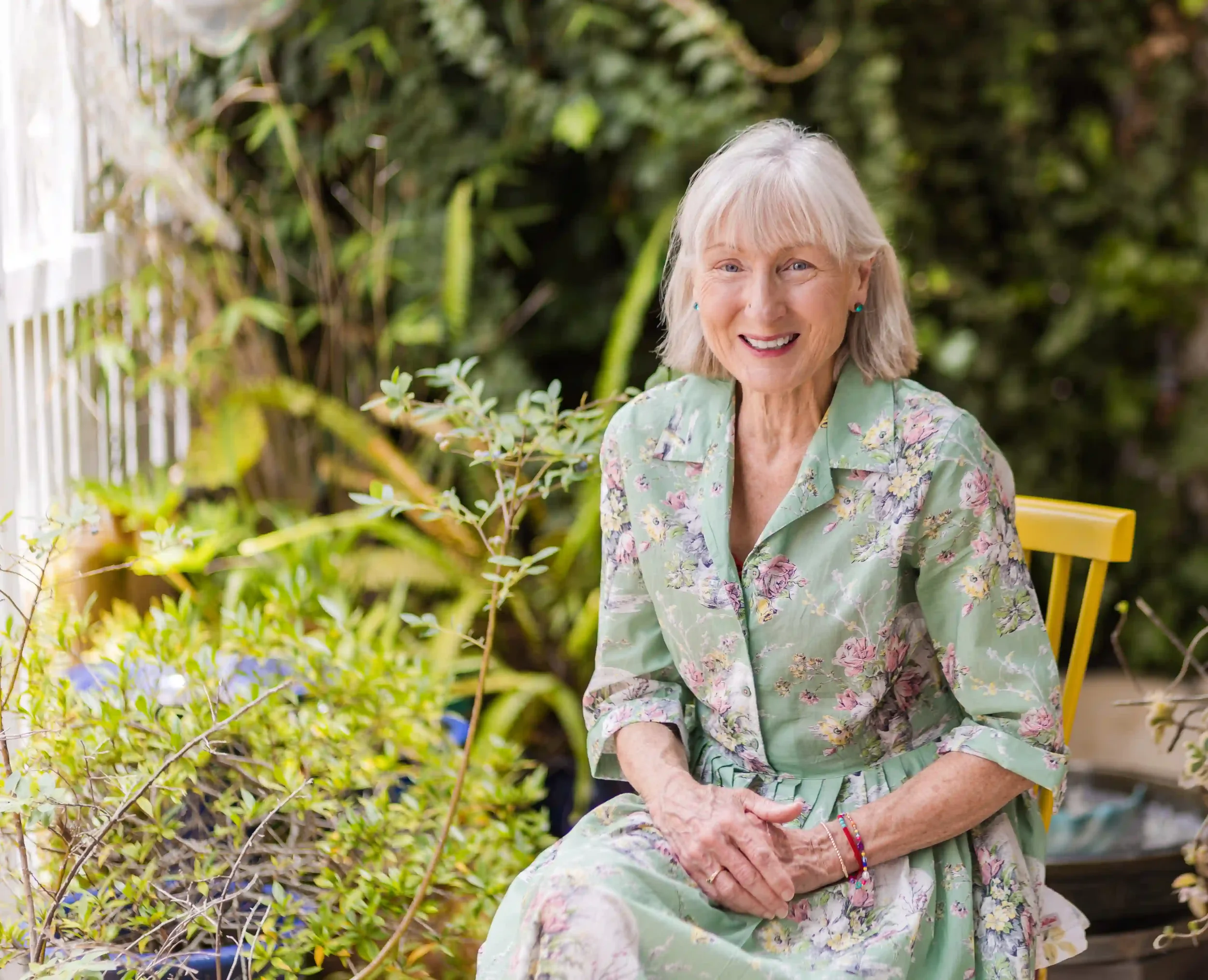
I'm Penelope Lane, and I learned the hard way that fitness alone won't save you from dependence, from being a nuisance.
The wake-up call
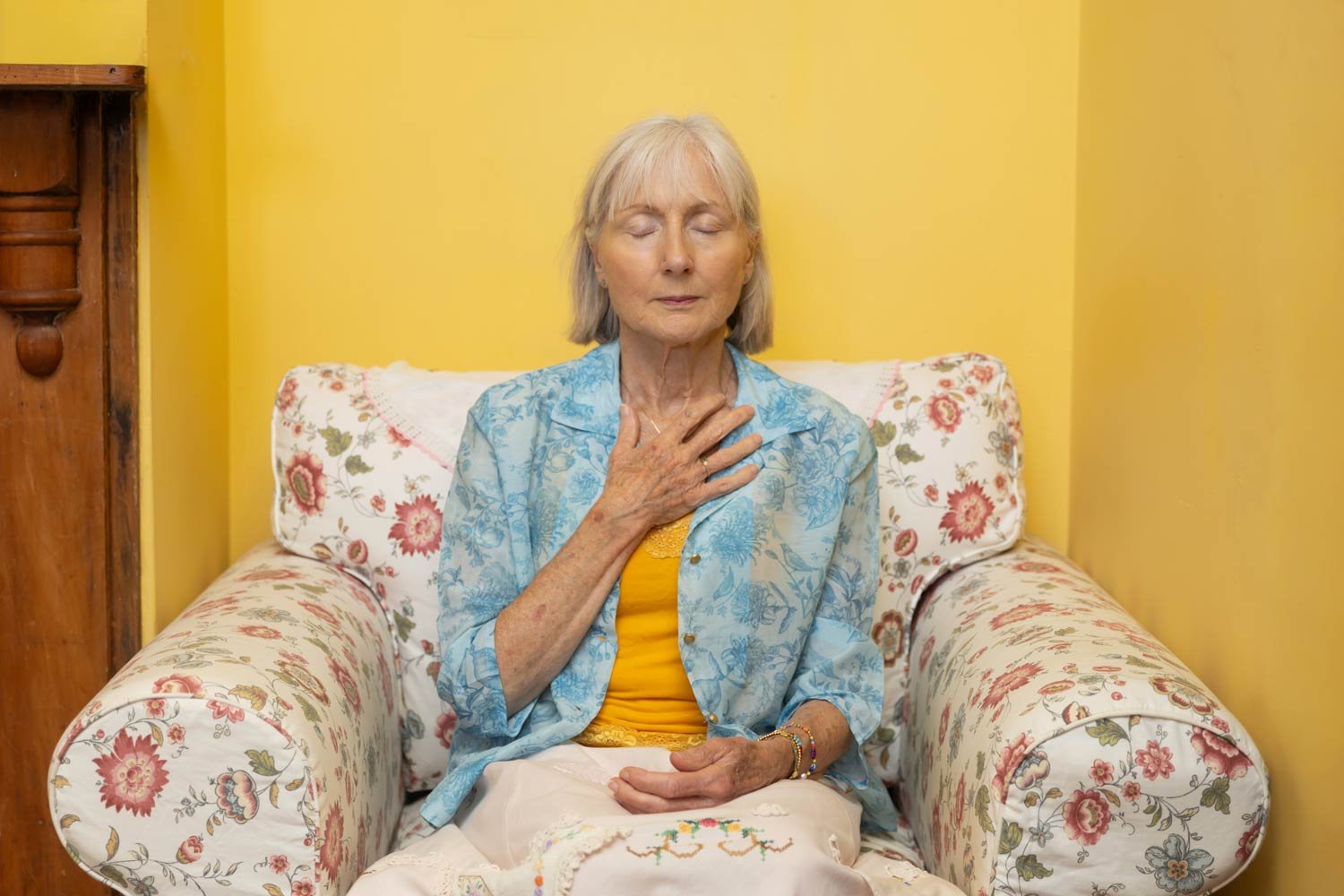
For years, I pushed myself relentlessly. Brutal bootcamp training. Lifting heavy weights. Proving I was still capable, still independent, still strong.
I was training alongside people in their 30s and 40s. Keeping up, and I ran a half-marathon at 61.
Underneath every rep, every sweat of effort, was the same silent promise: "See? I'm strong. My children won't have to worry about me."
Fitness was my insurance policy against helplessness.
Until January 2025, when I woke up in excruciating pain. I couldn't move, and for three weeks, I was completely dependent.
My children came over and helped me to the bathroom. They brought meals, rearranged their lives around my helplessness.
Everything I'd been terrified of was happening. And all that physical strength I'd built? Completely irrelevant.
The CT scans showed years of damage. Disc bulges. Osteoarthritis. Severe osteoporosis.
And here's what nearly broke me: some of that damage came FROM my obsessive training. Too heavy weights. Ignoring pain.
I'd literally damaged myself trying to avoid dependence.
Why fitness alone isn’t enough
Lying on that couch, helpless despite all my training, something became painfully clear:
I'd been so obsessed with my body that I'd neglected everything else that actually maintains independence.
Physical fitness can't prevent cognitive decline.
You can walk 5 kilometres a day and still lose your memory. Still forget to turn off the stove. Still need someone to manage your medications.
If your mind goes, it doesn't matter how strong your body is. You're dependent.
Physical fitness can't give you mental calm.
You can be incredibly strong and still have a mind that catastrophises constantly. That keeps you awake at 3 a.m., running worst-case scenarios.
Mental calm - the ability to stay present instead of spiralling - that comes from mindfulness, not lifting weights.
Physical fitness can't prevent emotional collapse.
If you fall apart every time something goes wrong, someone has to hold you together.
If you can't cope with loss, fear, grief, you become emotionally dependent even with a strong body.
Physical fitness can't give you purpose.
You need more than just "stay fit to avoid being a burden" to hold you up.
When your body fails anyway - and it will - you need a sense of meaning beyond physical capability.
The four-pillar framework
Real independence - the kind that lasts, that's resilient - requires four pillars.
Think of it like a table. Four legs. Remove any one, and the table topples.
Body: Physical strength, balance, mobility. The ability to navigate your world confidently.
Mind: Mental sharpness, memory, flexibility. A calm brain that can make decisions and solve problems.
Heart: Emotional resilience. The ability to cope with challenges. To ask for help without shame.
Soul: Purpose. Meaning. Connection to something larger than yourself. A reason to stay strong.
Most women our age are standing on a one-legged table - just the body - and wondering why they feel unstable.
I had massive body strength. But my mind? Catastrophising constantly. My heart? No emotional resilience. My soul? My entire purpose was "stay fit to avoid being a burden."
When my body failed, I had nothing else to stand on.
Here's what whole strength looks like:
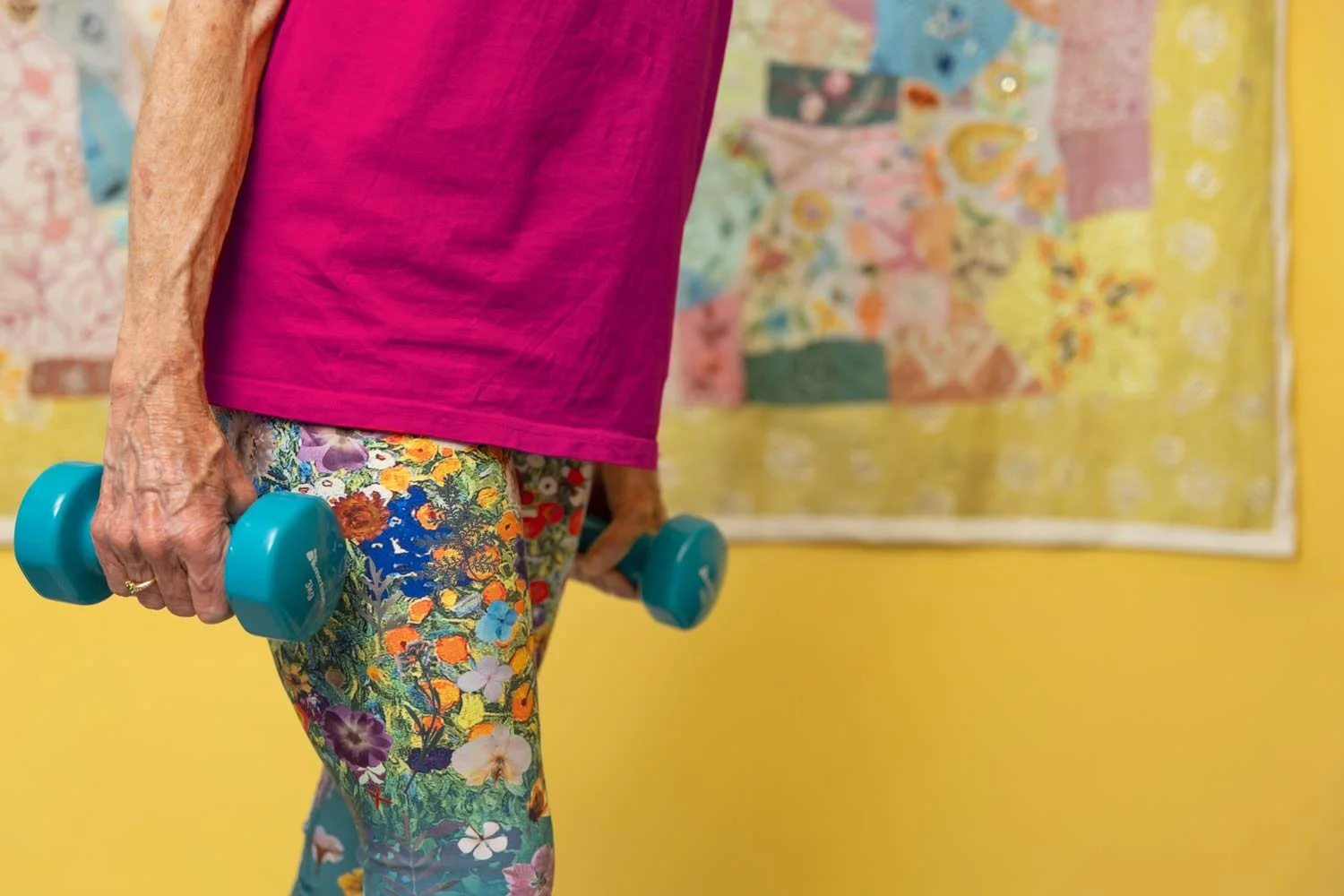
Body strength - but functional. Not brutal workouts to prove you're not old. Movement that prepares you for real life: getting up off the floor, carrying groceries, maintaining balance.
Mind strength - brain-body dual-tasking that challenges your brain and body at the same time. Like walking while counting backwards by 7s. Plus mindfulness for mental calm.
Heart strength - self-compassion. Processing grief instead of running from it. Learning to ask for help without shame. Building real connections.
Soul strength - knowing what matters beyond physical capability. What do you want to contribute? What gives your life meaning?
When you build all four, they support each other. Physical strength gives you energy. Mental clarity helps with decisions. Emotional resilience helps you cope. Purpose motivates everything.
That's what actually maintains independence. Not perfectly. Not forever. But for as long as possible, with dignity.
Where to start
Step 1: Assess honestly.
Rate yourself 1-10 on each pillar:
Body: How strong and balanced are you for navigating real life?
Mind: How sharp is your memory? How calm is your thinking?
Heart: How well do you cope with challenges? How kind are you to yourself?
Soul: How clear is your sense of purpose?
Your weakest pillar? Start there.
Step 2: One small practice.
Don't overhaul everything. Start small.
If Body is weakest: Get down on the floor and back up three times daily.
If Mind is weakest: Walk while counting backwards by 7s.
If Heart is weakest: Daily self-compassion moment. Hand on heart, speak kindly about one challenge.
If Soul is weakest: Spend 10 minutes asking: What matters most to me right now?
Step 3: Practice receiving.
This is the hardest for women our age.
Ask for help with something small. Let someone carry something. Accept an offer without apologising.
Notice how uncomfortable it feels. Practice anyway.
Because if you never practice receiving when you don't desperately need it, you'll have no grace receiving when you do.
Step 4: Reframe everything.
Stop thinking: "I need to stay fit so I'm not a burden."
Start thinking: "I'm building whole strength so I can live well for as long as possible and receive help gracefully when I need it."
The first creates anxiety. The second creates peace.
Closing Thoughts
Real independence is being able to go with the flow when you need help. Being in the mindset that you should never need help, well- that's isolation pretending to be strength.
Real independence is having the internal resources - body, mind, heart, soul - to navigate challenges without collapsing.
It's being able to ask for help without losing yourself. It's maintaining dignity even when capabilities change.
Your children don't need you to be invincible. They need you to age well. To stay engaged. To ask for help before crises. To receive their care gracefully.
That's not being a burden. That's being human.
If this resonates with you, if you've ever thought "I don't know who I am anymore" or "I've lost my identity," please comment below and share it with someone who might be struggling with the same feelings.
Ready to stop fighting your age and start building actual strength? Subscribe to Ageing Honestly HERE for bi-weekly essays and videos that tell the truth about what ageing asks—and what it gives back. Real talk, no anti-ageing messages, and no forced positivity.
And remember - you're not just ageing. You're evolving and deepening and expanding in wisdom, fulfilment, purpose, courage, and joy. You're finding yourself again, one honest moment at a time.