
Your Memory Changed After 60 and You're Terrified - What's Actually Happening and What Helps
Forgetting names and words after 60? Learn what normal ageing is, the warning signs when you may need to see a doctor, and why your fear is making your memory worse. Expert advice on what helps brain health from a Clinical Psychologist and Brain Health Trainer.

In this Article:
You're mid-sentence, talking to someone, and suddenly... nothing. The thought vanishes, or the word disappears.
Or you walk into a room with absolute purpose and think: "Why did I come in here?"
And there's that flash of panic: "Is this normal ageing, or is this the beginning of something worse?"
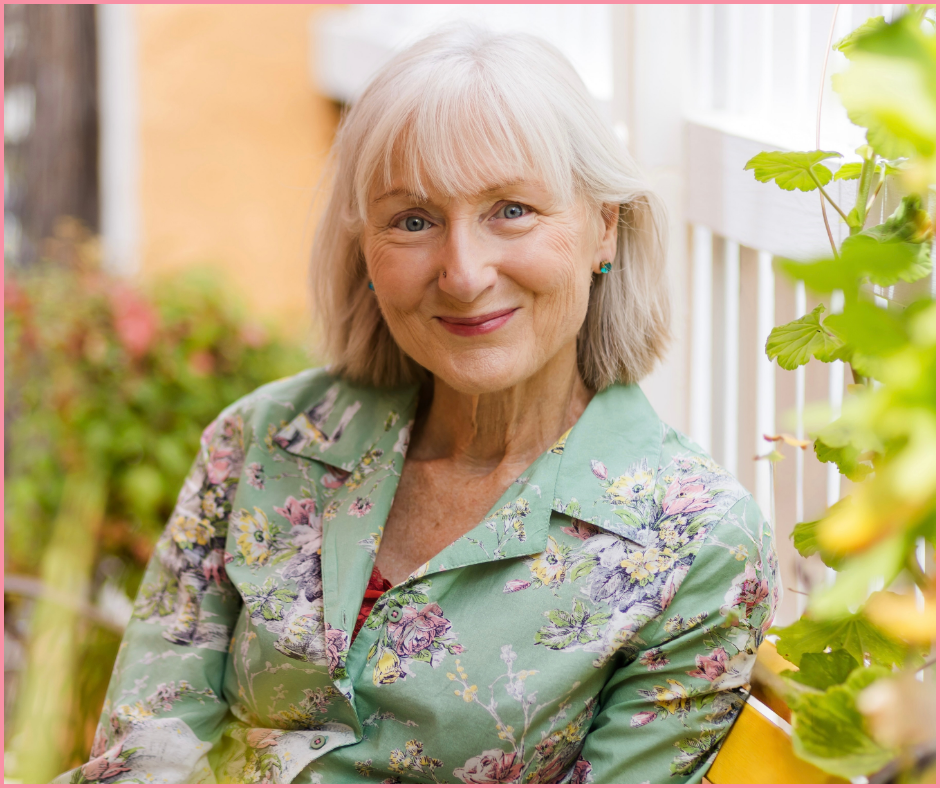
I'm Penelope Lane. I'm 67, and I'd like to share the real difference between normal memory changes and warning signs - plus what actually protects your brain. Because, unfortunately, the terror about memory loss often does more damage than the memory changes themselves.
What's Normal vs. What's Not
Let me get straight to what you're actually worried about.
Normal age-related memory changes:
Slower processing speed.
The information is still there - it just takes longer to access. Like your brain's librarian is moving more slowly down the aisles.
Tip-of-the-tongue moments.
You know the word, you can almost feel it, but it won't come. Completely normal and gets more common with age.
Forgetting names.
Names are hardest for the brain because they're arbitrary - no logical connection between "Margaret" and the person. This gets harder with age.
Walking into a room and forgetting why.
That's attention, not memory. Your brain gets more vulnerable to distraction.
These are normal. They don't mean dementia. They mean your brain is ageing like the rest of your body.
Warning signs that need medical attention:
Getting lost in familiar places.
Not momentarily unsure - genuinely unable to find your way to places you've been hundreds of times.
Forgetting entire conversations.
Not just details - having no memory that the conversation happened. Asking the same questions repeatedly.
Forgetting how to do familiar tasks.
Can't remember how to cook recipes you've made for decades, how to use your phone, or how to get to your friend's house.
Personality changes.
Becoming suspicious, aggressive, or "not yourself" in ways that concern people who know you.
If you're experiencing these warning signs, see a doctor. But if you're just forgetting words and walking into rooms and forgetting why you're there, chances are that's normal ageing.
Why Fear Makes It Worse
Anxiety and worry about memory loss actually impair your memory in the moment.
When you panic, your brain diverts resources to threat detection - warning signs of danger to the amygdala (your brain's alarm system) - and away from your hippocampus, which forms new memories.
So when you panic about forgetting, you literally make yourself forget more.
Example:
You walk into a room. Forget why. Panic: "Oh no, is this dementia?" Now your brain is managing panic instead of calmly remembering your intention.
Versus: You walk into the room, forget why, and think, "Oh well, it'll come to me." You relax, and within seconds, you remember.
Notice the pattern? When you're relaxed, memory comes more easily.
The Monitoring Trap:
Constantly testing yourself creates performance anxiety. Your brain works best when you trust it, not when you're interrogating it.
I did this constantly after I blanked on a client's name - someone I'd known for three years. After that, every interaction became a memory test. "Will I remember this person? Will I forget mid-sentence?"
The monitoring itself interfered with my natural memory.
The Isolation Factor:
You start avoiding social situations because you're afraid you'll forget names. You don't want people to see you "failing."
But social connection is one of the most powerful protectors against cognitive decline. Isolation accelerates it.
So the very thing you do to hide your concerns - withdrawing - makes the actual problem worse.

What Actually Helps
Memory isn't just about your brain doing crosswords. It's about your whole system.
Body factors:
Sleep - Your brain consolidates memories during deep sleep. Poor sleep affects memory.
Movement - Increases blood flow to the brain and increases BDNF (brain fertiliser).
Chronic inflammation, from stress, diet, or health conditions, impairs brain function.
Medications - Many common meds for sleep, anxiety, or pain have cognitive side effects. Check with your doctor.
Mind factors:
Chronic stress floods your brain with cortisol, which damages the hippocampus over time.
Lack of challenge - Your brain needs novelty and learning to stay sharp. Passive consumption (scrolling, TV) doesn't challenge it.
Heart factors:
Depression massively impairs memory. Many women our age are dealing with losses and grief.
Loneliness accelerates cognitive decline.
Soul factors:
Lack of purpose affects memory. When days blur together with no meaningful activity, your brain has no reason to pay attention. Nothing seems worth remembering.
Versus when you're engaged in purposeful activity, your brain is alert and encoding memories.
What actually protects your brain:
Dual-task exercises - Movement that challenges the body and brain simultaneously. Like walking while counting backwards by 7s. Balancing on one foot while naming countries alphabetically.
These build new nerve pathways in ways that brain games alone can't.
Plus: Quality sleep, anti-inflammatory foods, mindfulness practice, real conversations, and activities that give your life meaning.
This isn't about one thing. It's body, mind, heart, and soul working together.
The Practice: The Mindful Memory Walk
Here's something simple you can start today: The Mindful Memory Walk.
20 minutes, outside:
Body: Walk outside. This involves movement, fresh air, and natural light - all good for brain health.
Mind: Practice active observation. Notice five specific things: a colour, a sound, a smell, something beautiful, something surprising. At the end, pause and recall all five. That's active memory formation and retrieval.
Heart: Practice self-compassion. If you forget something, notice without judgement. "Oh, I forgot. That's okay. What do I notice now?"
Soul: Walk with intention. Maybe to clear your mind, connect with nature, feel grateful, and build strength. Purpose makes it meaningful.
Do this three times this week. You're training body, mind, heart, and soul simultaneously. That's whole strength.

The Truth About Memory After 60
Our memory changes don't mean we're disappearing. They mean our brains are ageing like the rest of our bodies.
And the anxiety about memory often does more harm than the changes themselves.
When you accept what's happening and respond with whole strength practices - body, mind, heart, soul - you build real resilience.
You don't have to pretend it's fine when it's frustrating. You just have to build the resilience that keeps you sharp, capable, and yourself.
Remember - when you forget something, pause, breathe, and trust it'll come to you. Because usually, it will.
Closing Thoughts
If this resonates with you, please comment below and share it with someone who might be struggling with the same feelings.
Ready to stop fighting your age and start building actual strength? Subscribe to Ageing Honestly HEREfor bi-weekly essays and videos that tell the truth about what ageing asks—and what it gives back. Real talk, no anti-ageing messages, and no forced positivity.
And remember - you're not just ageing. You're evolving and deepening and expanding in wisdom, fulfillment, purpose, courage, and joy. You're finding yourself again, one honest moment at a time.
Penelope Lane is a clinical psychologist, mindfulness teacher, and fitness and brain health trainer who helps women over 60 build whole strength—body, mind, heart, and soul. At 67, she's learned the hard way that staying alive isn't the same as feeling alive.
