
Real independence is knowing your worth when you're asking your daughter for help
Real independence is understanding your worth, even when you need help. It is choosing your own way forward, even if your body does not always cooperate.
When my daughter and I signed the lease for our new home, we both knew the rent was twice as much. Because of my disc injuries and bad knee, I can't teach the way I used to. My online business has been running for six years, but it still isn't making steady money, so she pays more of the rent than I do.
I am afraid of becoming a burden.
That fear sits in my chest. It keeps me awake at night, especially when I think about my disc injuries getting worse or when my knee hurts. I feel it when I talk with my daughter about money, when I ask someone to help me move, drive me to an appointment, or just listen to my worries.
The fear tells me: "You're taking too much." "You're too much." "You should be independent by now." "Look at you at 68, asking your daughter for help."
I have lived with that fear for years. Maybe even my whole life.
I grew up believing that independence meant being completely self-sufficient, standing on my own, and handling everything myself. If I ever asked for help or needed support, I thought I had failed and become a burden.
I wonder if you learned the same thing. Maybe that fear is yours too.
In this Article:
The breaking point
This is what the harsh voice in my head says in the middle of the night.
“You should have your business running by now. Six years and you’re still not making enough.” “Your daughter is paying more than you.” “She’s carrying you; that makes you a burden.”
“Your back is failing, and you’ll need a knee replacement in the next few years. One day, you won’t be able to teach and then what?” “You’ll be completely dependent; useless.”
That voice has been with me since I was a girl. It says a woman’s value is in what she produces.
One morning, I woke up and my back had given out.
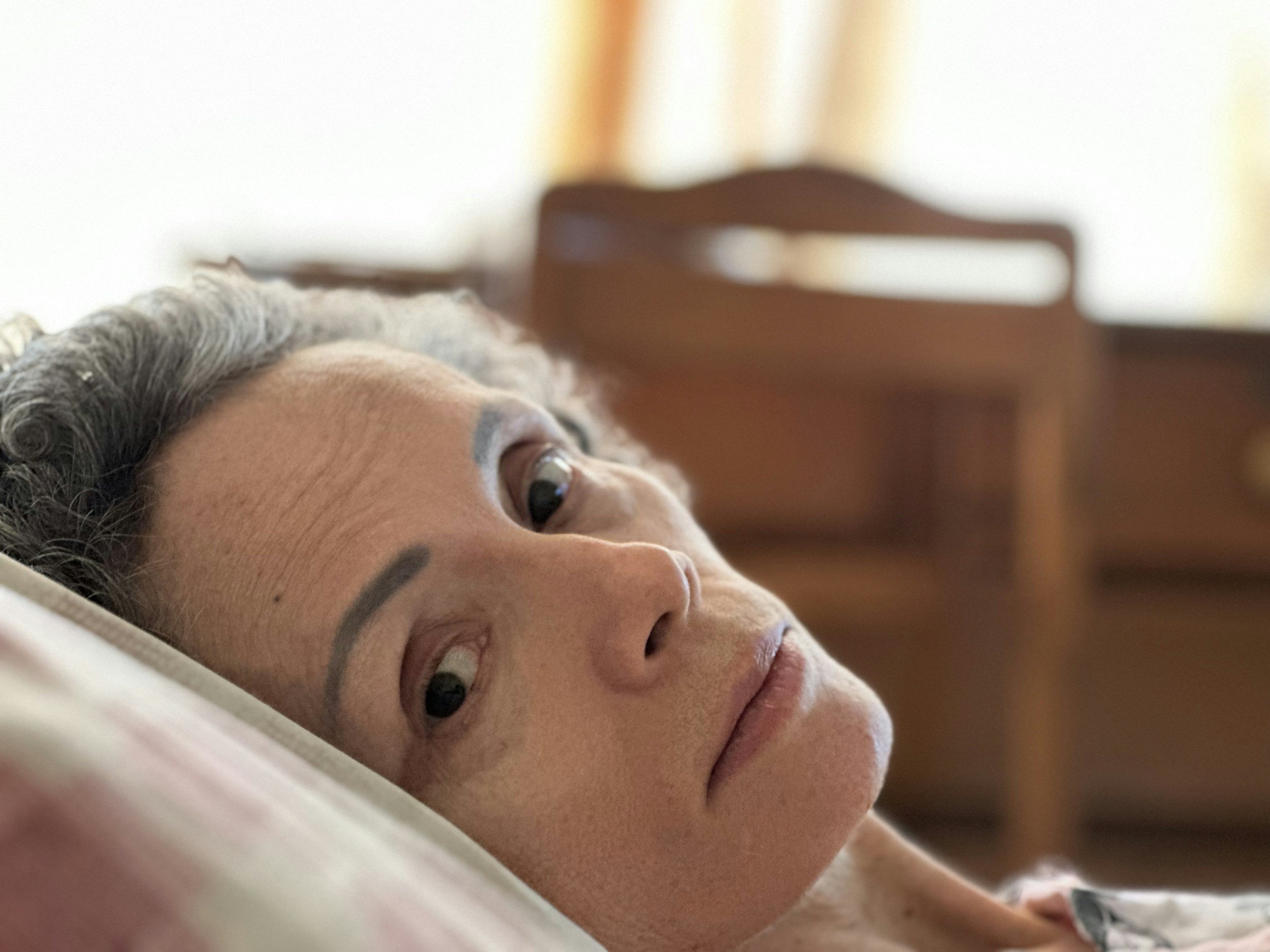
I had severe disc herniations. I couldn’t get out of bed without help. I couldn’t shower or walk to the bathroom. I lay on the couch for three weeks while my family helped me with everything.
Everything.
During those three weeks, the critical voice in my head got so loud I could barely think. “You’re pathetic.” “You’re a burden on your family.” “Your kids are helping you get to the bathroom, how humiliating.”
I remember lying there one afternoon, watching my daughter make me lunch. I thought, she should be at work, living her life, but here she is, taking care of her mother.
That’s when I had to stop and admit I was completely dependent. I was scared and worried about the future.
What shifted
But then something changed.
I noticed the inner voice. I heard it, but I didn’t immediately believe it.
I put my hand on my chest, right over my heart, and spoke to myself the way I would speak to one of my clients who was suffering:
“Your body is in pain. That’s real, and you’re not pathetic.” “You’re a human being who got hurt.” “Your daughter is here because she loves you, not because you forced her.”
What parts of you are still working? Your emotional strength. Your ability to help others when they’re struggling. Your capacity to be kind to yourself right now.
Independence means knowing your own value, even when you’re asking for help.
I was completely dependent on my family, physically dependent, and I was still myself. I was still able to show myself compassion and notice what was working instead of what was broken.
Right now
Now, my daughter and I live together in a new home. The rent has doubled, and I still can’t pay my full share yet.
And in the darker moments, that critical voice chimes in: “You’re a burden; she’s carrying you; you should be ashamed.”
But this isn’t actually true. I didn’t give up control of my life or say, “You decide what’s best for me.” “I can’t manage on my own; you’ll have to pick up all the pieces and rescue me.”
My daughter and I made a choice together about what works for us right now, while my body heals and my business grows.
I’m still teaching, building, and making decisions about my work, my time, and my direction.
I do rely on my daughter’s financial help, and that’s true. But I’m not dependent on her approval or her opinion about whether my dream is worth pursuing.
When she says, “Don’t worry about the rent,” it means she loves me. It means we’re family, and we’re figuring things out together.
That’s not a burden. That’s love.
What our culture teaches
Our culture teaches women that our value comes from what we produce. How much you earn? How self-sufficient you are. How much you do without needing anything from anyone?
So when your body fails, when your income doesn’t match your needs, when you have to ask for help, you believe you’re becoming a burden.
But we’re not a burden just because we ask for help. We’re only a burden if the person helping truly resents it.
And I know that’s not what my daughter thinks about me. I don’t believe that’s what my clients think or the women in my classes think.
What they might think is: She’s human, she’s brave, and oh boy, is she real.
WHAT INDEPENDENCE ACTUALLY MEANS
Real independence isn’t about never needing help. Nobody can do that forever.
It’s knowing your own value, even while asking for help.
It’s speaking to yourself with compassion when you ask someone to lift a heavy box. It’s continuing to build toward what matters to you, even when it takes longer than you hoped.
It’s staying honest instead of pretending everything’s fine.
My worth isn’t in my bank account, my strong back, or the success of my online business. It’s in my ability to love, to teach, to be present, and to refuse to disappear.
Those things can’t be taken away, not by illness, financial need, or ageing.
So where are you carrying this fear? What story have you been telling yourself about needing help?
What if that voice is lying to you too?
Love,
Penelope 🌷
Closing Thoughts
If this blog resonated with you, comment below by sharing your story. Take a moment to express how this message connects with your experience, because true connections begin when we acknowledge our struggles together.
There's more of this work available—free bi-weekly Ageing Honestly letters. And if you want deeper support, accountability, and community while you figure out how to hold it all, I have courses, coaching, and a free private community for exactly this: Going Deeper
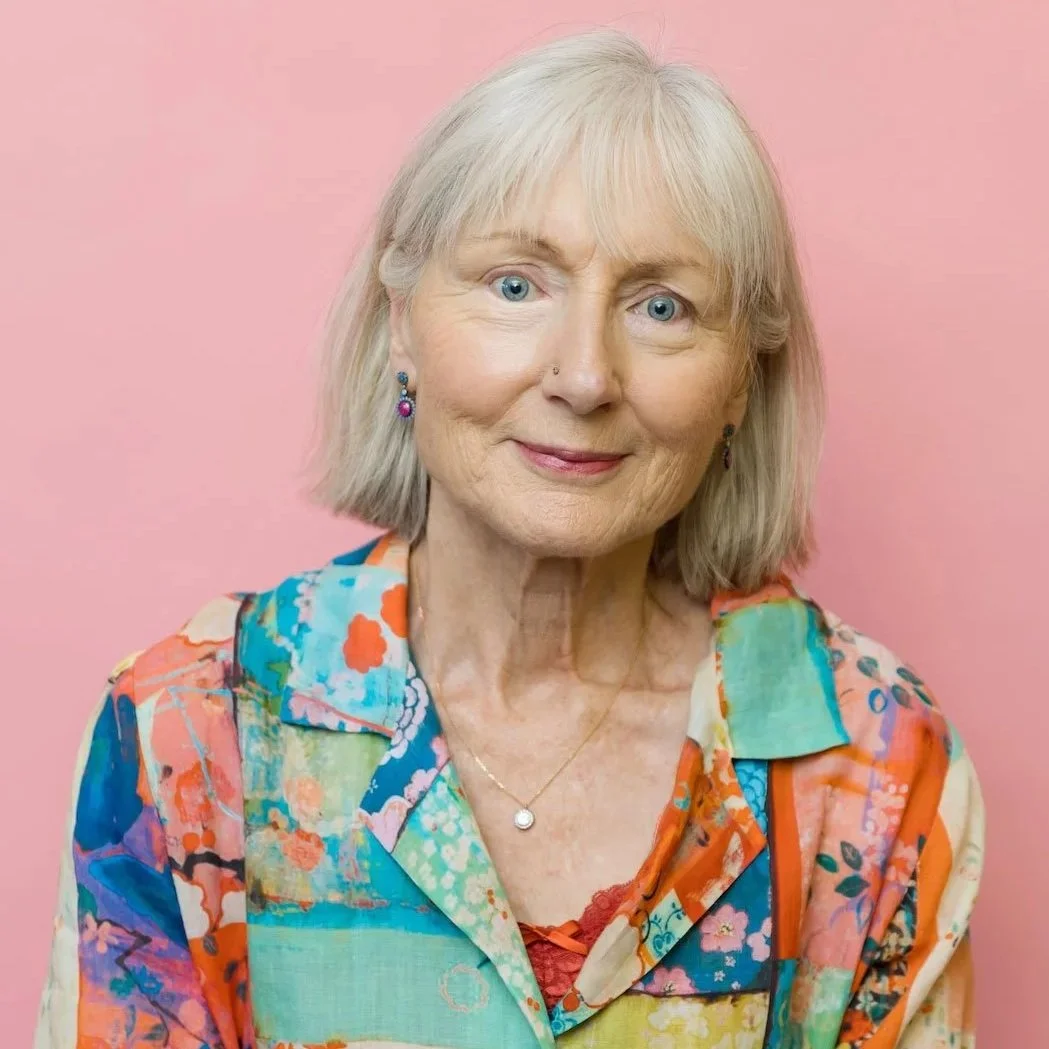
Penelope Lane is a clinical psychologist, mindfulness teacher, and fitness and brain health trainer who helps women over 60 build whole strength—body, mind, heart, and soul. At 68 she's learned the hard way that staying alive isn't the same as feeling alive.
