
I want to go a little deeper into our desire for control, and how we can ease the extra pain we add to what’s already hard.
I often think about a teaching that uses the image of two arrows. The first arrow is the pain that comes with being alive. The second arrow is the pain we create ourselves by how we react to the first.
The Two Arrows
The first arrow
Pain, loss, and uncertainty come with getting older. My body has changed a lot, and I imagine yours has too. We’ve lost people we love, and the future often feels uncertain. We didn’t choose any of this, and we can’t control a lot of it.
The second arrow
But sometimes, we make things harder for ourselves. The second arrow can appear in two ways. Fighting it is wishing things were different or wanting to go back in time, which is where many anti-ageing ideas come from.
Pretending is telling ourselves nothing is wrong or hiding our feelings so we don’t have to face them. Many pro-ageing messages fit here.
In this Article:
I know what fighting feels like. For many years, I tried to control a world that felt scary and harsh. First, I struggled with anorexia through my teens, twenties, and thirties. Later, I spent thirty years focused on intense fitness training. Deep down, both were ways to cope with uncertainty.
Eventually, my back gave out and my health deteriorated. That’s when I started listening to my body instead of pushing it, and it was the beginning of what I now call ageing honestly.
I also understand pretending. I kept a gratitude journal, and I know it helps many women, but for me, it started to feel untrue. I could practise gratitude every day, but life still did its thing.
My dad died suddenly and unexpectedly. He had hoped to live a long life, and my own health was getting worse. I was grateful for many things, but I also disliked a lot about my life and the world.
I was using gratitude to cover those feelings, sweeping my emotions under the carpet. When I finally let myself feel the hard things too, my gratitude became real and valuable.
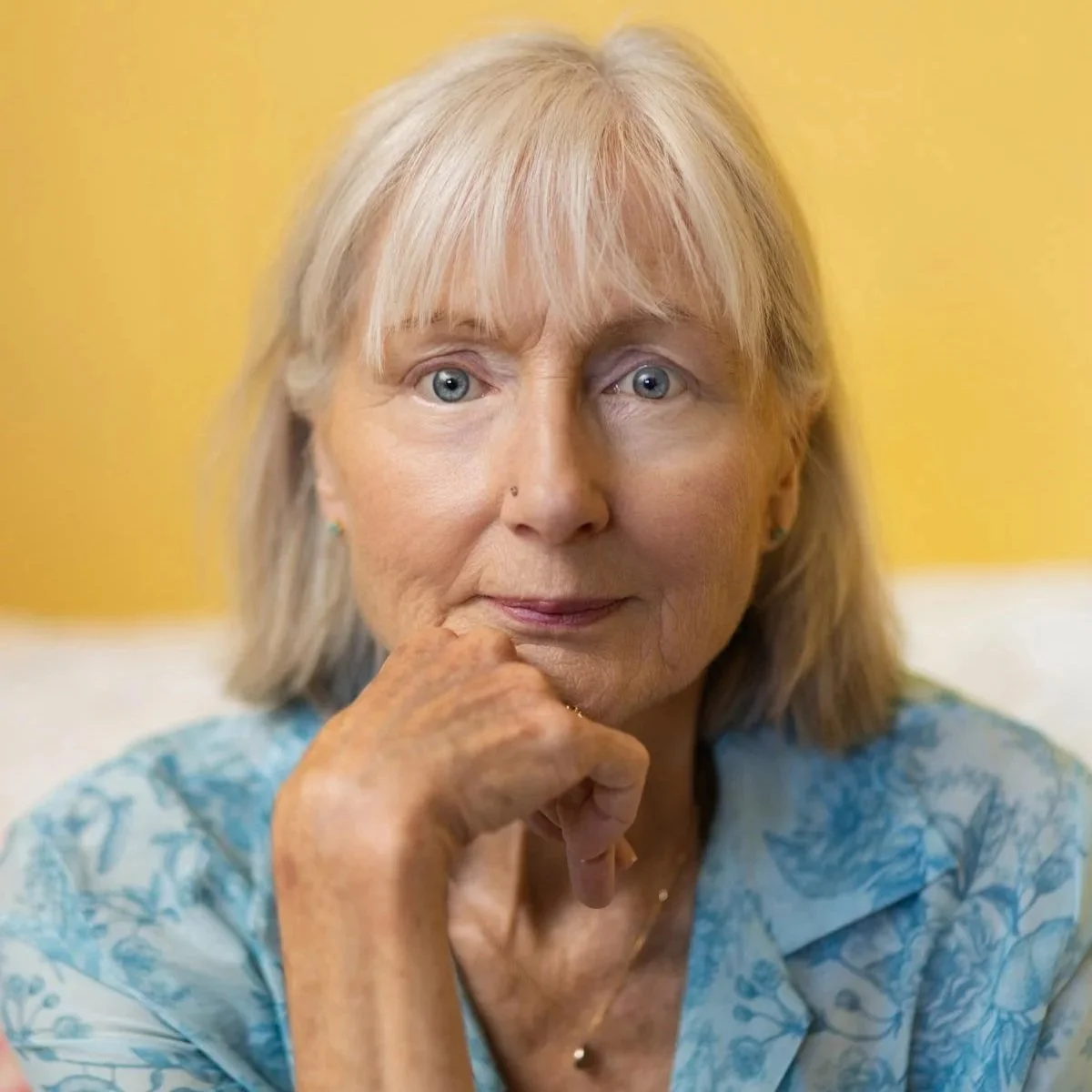
The second arrow can also turn inward when we end up talking to ourselves in a really unkind way. ‘I’m not coping.’ ‘I should be stronger.’ ‘I’m a nuisance.’ ‘I feel weak because I can’t manage like I used to.’
Anti-ageing says we’d cope better if we just tried harder. Pro-ageing says we should be grateful, so when we feel low, we judge ourselves for not feeling grateful, and feel worse.
Either way, we end up afraid of being a burden. There’s a voice in our heads calling us weak. Many of us learned to talk to ourselves this way growing up, and it makes everything feel heavier than it needs to be.
The unkind voice doesn’t change what’s actually happening. It just adds to the pain.
Where the Serenity Prayer fits in
There’s a prayer I keep coming back to: The Serenity Prayer. On hard days, it’s how I work with the two arrows.
Grant me the serenity to accept what I cannot change, the courage to change what I can, and the wisdom to know the difference.
I use the word “acknowledge” instead of “accept” because “accept” can sound like you’re saying everything is fine.
For me, serenity is acknowledging the first arrow and letting myself feel the pain that comes with getting older. Courage is working with the second arrow, the extra suffering we add by fighting it, pretending, or criticising ourselves. Wisdom is noticing which is which.
That’s what I mean by ageing honestly.
I love the idea of ageing honestly, but sometimes I slip back into old habits as it’s so easy to buy into anti-ageing and pro-ageing messages. When I do slip back, I usually notice tension in my neck and shoulders first. That’s often the second arrow: resisting what is happening.
Instead of pushing it away, I make space for it and remind myself: this is what it feels like when I’m fighting or pretending. That’s just how it is. The good thing is, I notice it now, and I can move forward from there.
Here’s a short practice you can try this week:
How I catch the second arrow
Most days aren’t dramatic. They’re just days where I live my life, doing the best I can. Something hurts, scares me, or annoys me, and I ask myself three questions:
What’s happening here that I don't like or don't want? (the first arrow)
What am I adding to it? (the second arrow)
What’s one small thing I can choose to do differently?
Sometimes the answer is to say how I really feel. Other times it’s listening to a song. Often it’s just staying with the feeling a bit longer than is comfortable.
The wisdom in your wake-up call
If you’re looking for more support, I invite you to check out my course, The Wisdom in Your Wake-up Call.
Have you had a wake-up call?
Maybe it was a diagnosis, a bad scan, or a doctor saying “This is what happens at your age”. Maybe it was catching sight of yourself in the mirror and thinking, “How did I get so old?”
That wake-up call wasn’t welcome. But it might be trying to tell you something. It might be showing you what needs your attention, and what’s been taking more of your energy than it deserves.
The Wisdom in Your Wake-Up Call is for women who are tired of choosing between fighting ageing and pretending it’s fine. It’s a way to listen to your wake-up call, instead of fighting it or hiding from it.
You’ll find practical modules, plus reflection prompts, brain-body movements, mindfulness practices, and simple practices to build self-compassion.
You’ll find the details about this course below.

Closing Thoughts
If this blog resonated with you and you want to connect, comment below with a word or a story, or simply say 'here.'
There's more of this work available—free bi-weekly Ageing Honestly letters. And if you would like to find out more about the Wisdom in Your Wake-up Call course, here’s the link: Wisdom in Your Wake-up Call.
Penelope Lane is a clinical psychologist, mindfulness teacher, and fitness and brain health trainer who helps women over 60 build whole strength—body, mind, heart, and soul. At 68 she's learned the hard way that staying alive isn't the same as feeling alive.
