
I was the strong one.
That was my story. It wasn’t just what I did; it was who I was. Strong, capable, independent. I mastered the tech involved in building an online business. I taught fitness classes and supported other women through their challenges. I managed my own health and never needed help. That’s who I was.
And I spent 67 years defending it.
I didn’t set out to do this. It just became the base for everything in my life. It shaped how I acted and how I talked about myself. I showed people the strong, capable, and independent side. I hid the parts of me that were scared, struggling, or needed help.
The story made sense of everything, and it kept me safe.
Then things started to fall apart. At first, it happened slowly, and then everything changed at once.
In this Article:
The story you’ve been defending
Every woman has “their story." It might not be the strong one like mine, but maybe, for you, it’s the successful one. The good mother, the independent woman, and the one who has it all figured out. The helper, not the helped; the woman who doesn’t fall apart.
Everyone’s details are different, but the purpose is the same. Your story explains who you are, sets the rules for what you're comfortable showing, and keeps you from being seen as weak, as someone who failed, or as someone who needs help.
And it requires constant work.
Why? Because your body changes, your roles shift, and plans fall through. People let you down, and sometimes you let yourself down. There are times when you need help and feel scared and lost.
You want to ask for something, but it feels terrifying.
Your story says you're supposed to be strong (or whatever it is for you). So you hide everything else.
You keep up the act. You defend it, making sure no one sees the weak, vulnerable, 'I'm a failure' parts.
That's exhausting.
I didn’t realise how tiring it was until I just couldn’t keep it up anymore.
WHEN IT ALL STARTS TO CRUMBLE
It doesn't happen gently.
One morning, my back gave out. Severe disc herniations. I couldn't get out of bed, couldn't shower, or get to the bathroom without help. Someone had to do everything for me, and my everything started to unravel.
Then my brother Adam died, suddenly. And underneath both of those, my money situation was falling apart too.
I had to ask for help, the real kind, where people see you at your softest, most undone, vulnerable, unable to hide anything.
The woman I described: strong, capable, independent, self-sufficient—doesn't exist anymore.
Or maybe she never existed at all. Upon reflection, I was just really good at pretending.
Either way, I couldn’t keep telling that story.
The terrifying space between
When you lose the story you’ve been defending for 68 years, there’s this strange, awful space that opens up.
The story has changed, but you don’t have anything to replace it yet. You grieve the loss of that explanation, the structure that told you who you were and why it mattered.
Without the story, I had to face something I’d been avoiding: I didn’t actually know who I was.
I knew who the story said I was, how to defend it, and what was acceptable about myself, because the story had drawn very clear lines.
But who was I without it?
I didn’t have an answer, and that scared me.
Because if the strong, independent, capable woman wasn't real, if she was just an act, then what was real underneath it?
What was left when I took away the defence, the performance, and the need to prove myself.
I had to sit with these questions, because I couldn't build something new while I was still holding on to the old story.
You start to find out who you really are when you stop trying to prove who you think you should be.
WHAT HAPPENS WHEN YOU STOP DEFENDING
I remember the exact moment when I stopped.
I was sitting with a client, and she was talking about her feelings of shame. How she felt as if she were a burden. That she was failing because she couldn’t do everything herself anymore. She wasn’t the woman she thought she was.
Then I recognised that I was living exactly what she was describing. I'd spent decades building a story about myself: capable, strong, in control. It didn't match what was actually happening anymore.
That's when I realised defending the story had become harder than just telling the truth.
The truth was, I don’t have it all figured out. I’m scared, and I depend on my daughter. My body isn't cooperating the way it used to, but I’m still teaching, and still supporting others.
That's closer to the actual story, not the one I'd been defending.

What’s real underneath the story?
When you stop defending the story, the things you thought made you who you are start to feel less solid.
So if those aren’t the foundation, what is?
I began noticing the facets of myself that didn’t depend on the story. The things that were true even when I was lying on the couch, unable to move. Even when my disc injuries made teaching painful. Even when my daughter was paying most of our rent.
My capacity to love was there.
My willingness to sit with someone else’s suffering was still there.
When I stopped defending the story, I could finally just tell the truth. That was the most honest thing I’d ever done.
I don’t carry an “I’m the strong one” attitude anymore. Now I’m just here, living my life and being real.
Still supporting others, still exploring, loving, and staying curious.
These things can’t be taken away by illness, financial need, ageing, or loss. They don’t depend on anything staying the same.
And they don’t need proof.
WHO YOU BECOME WITHOUT THE STORY
You don’t really become someone new when your story falls apart. You just become more real.
The performance stops, the defending stops, and so does the hiding. What’s left might be less impressive, less polished, and harder to prove.
But it’s real.
I’m still teaching, but not as someone who has it all figured out. Now I teach from the place of “I’m figuring this out with you,” and I’m honest about how much I don’t know.
Now, I’m held up by what really matters. I’m still here with my daughter, my clients, and the women who come to my classes and workshops. But now I’m there as myself, not pretending.
Being here in this way is both scary and grounding.
Because you can ask different questions:
Who do I actually want to be? Rather than who I should be. Who do I want to become when I’m not trying to prove anything?
What actually matters to me? Not what should matter, but what makes me feel alive?
What’s real about me that has nothing to do with achievement or capability or independence?
THE GRIEF AND THE FREEDOM
Losing the story feels like a loss.
You grieve the loss of the explanation, the identity, and the safety of knowing who you were. That framework kept you safe, even if it wasn’t true. But you also find something that appears like freedom.
The freedom to not have to defend anything. You can be less than perfect. You can say “I don’t know” and have that be enough.
It’s the freedom of being seen as you really are: messy, scared, grieving, growing, confused, and honest.
That’s the sense of freedom that lets me live the life I want.
So who are you now?
I don’t know yet. I’m still mulling over the question.
But I know it’s not the story I used to defend. It’s something deeper that doesn’t need proof. It doesn’t need me to stay strong.
And that’s more real than anything the story ever offered.
So if your story is falling apart right now, if the “you” you’ve been defending is crumbling and you’re sitting in that scary space without answers, this isn’t the end.
It’s the beginning of clarity.
This is where your true self can slowly and truly come forward.
And that’s worth all of the grief and angst.
Closing Thoughts
If this blog resonated with you and you want to connect, comment below with a word or a story, or simply say 'here.'
There's more of this work available—free bi-weekly Ageing Honestly letters. And if you want deeper support and community while you figure out how to hold it all, I have courses, coaching, and a free private community for exactly this: Going Deeper
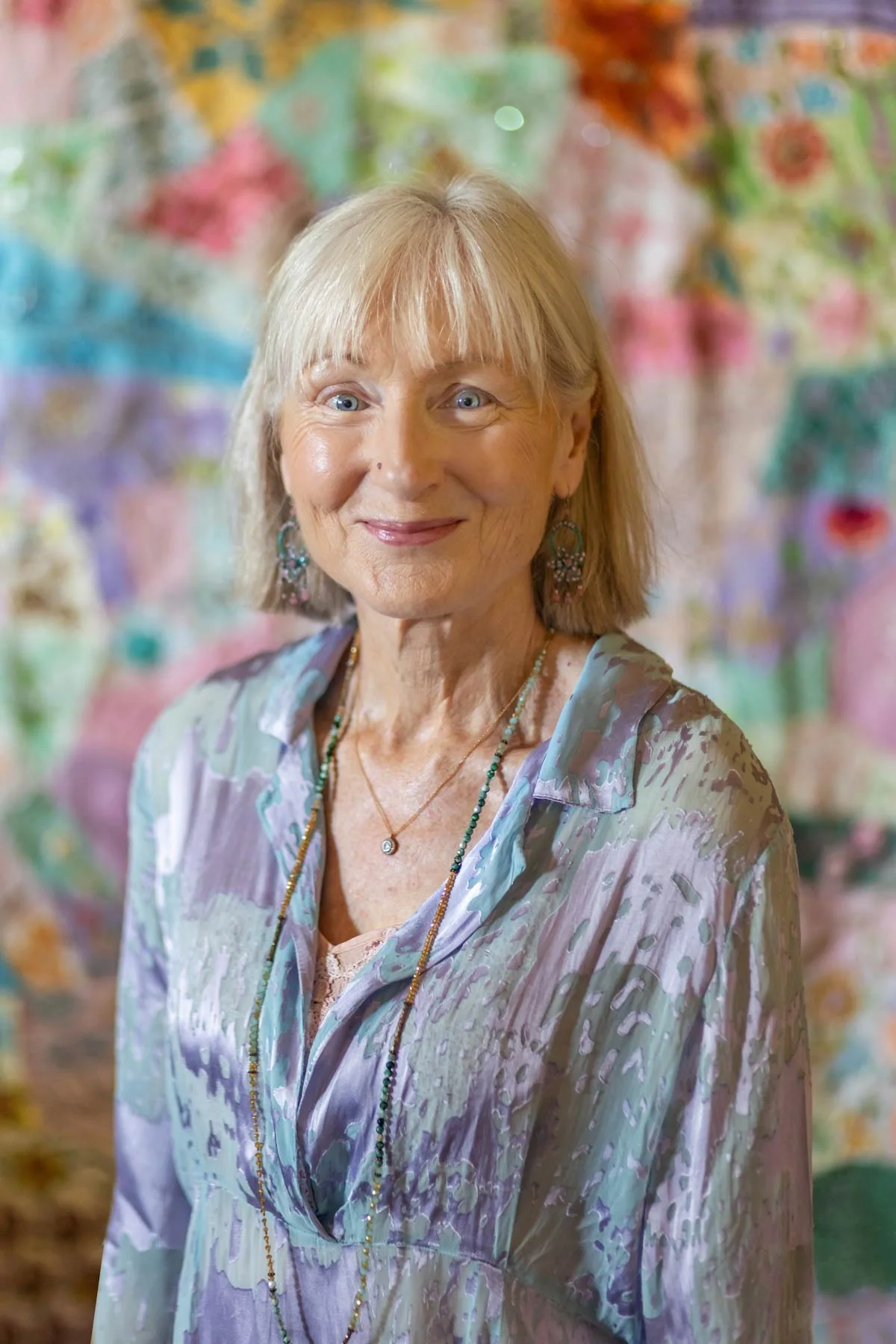
Penelope Lane is a clinical psychologist, mindfulness teacher, and fitness and brain health trainer who helps women over 60 build whole strength—body, mind, heart, and soul. At 68 she's learned the hard way that staying alive isn't the same as feeling alive.
