You're Strong AND You Need Help After 60- Why People Can't Handle This Truth
Strong women feel they shouldn't need help. But capability in one area doesn't eliminate need in another. Why both are true and what actually helps.
In this Article:
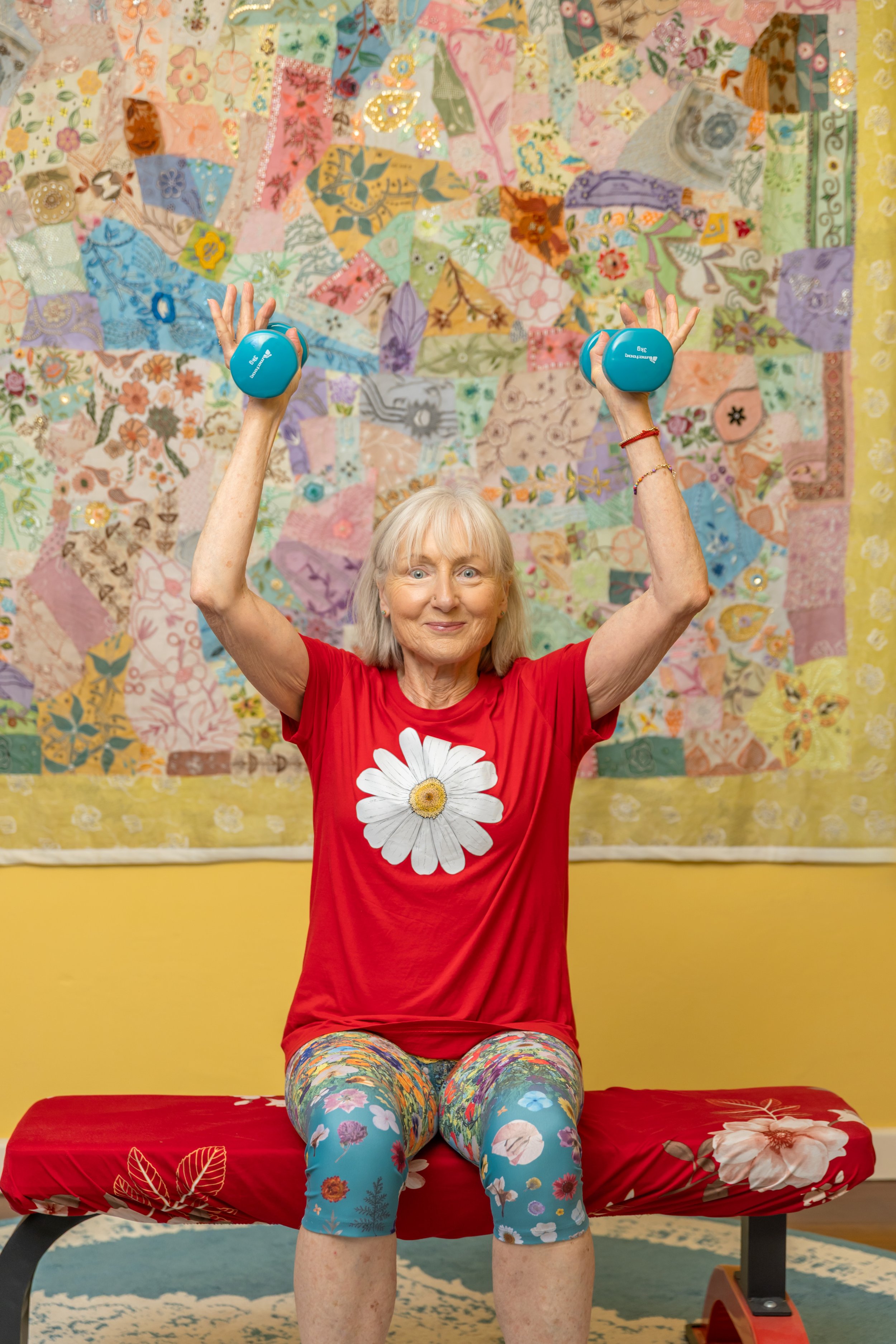
Someone watches me teach a full-on fitness class and says, "You're so fit and strong! You are so inspiring!"
Last week, I needed help paying for a skin cancer removal on my face, and I had to ask my daughter for help.
I can be strong AND need help. Both are true.
But somehow, everyone treats these like they're opposites - when they're not.
What Actually Happened
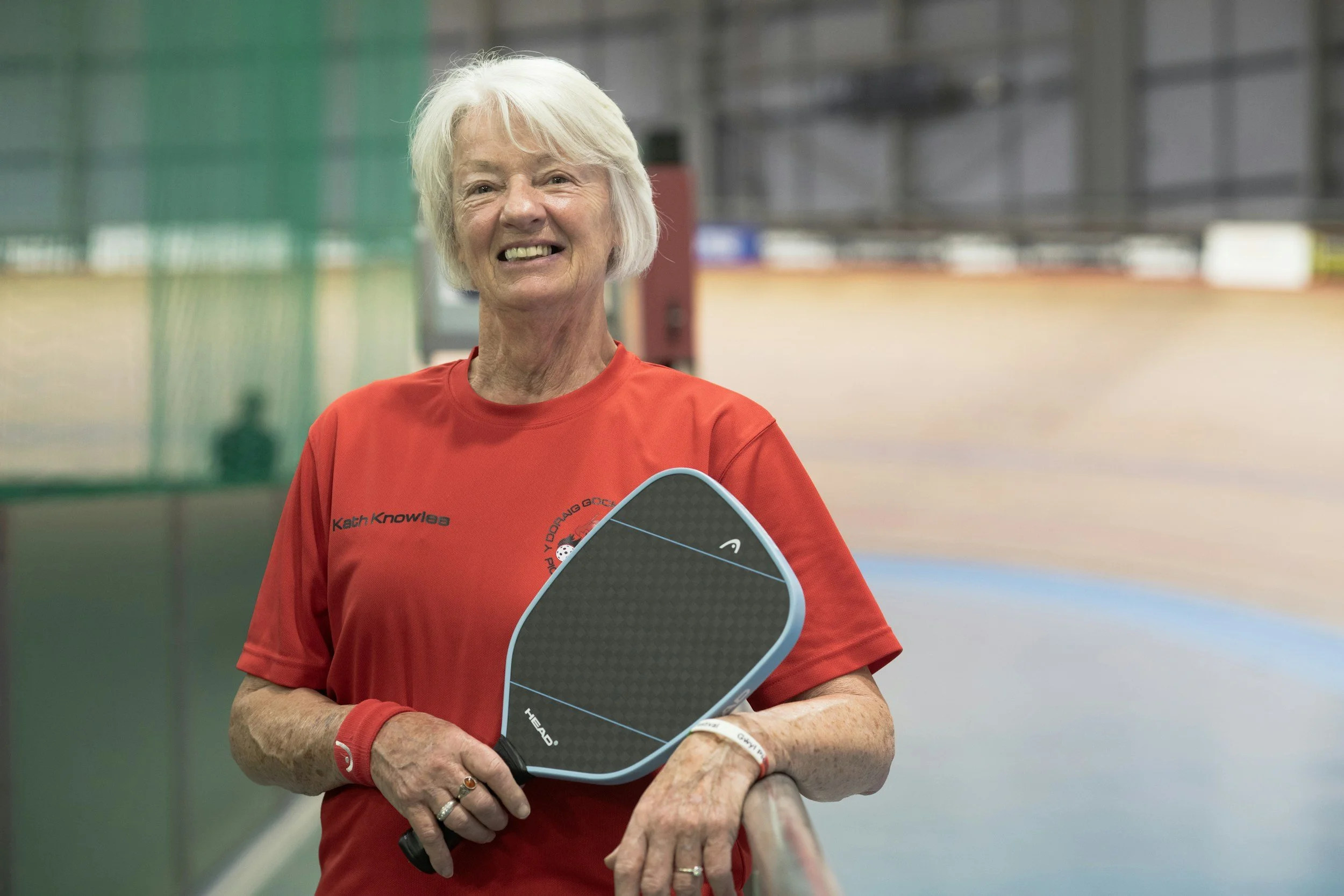
I am fit and strong. I teach fitness classes, I run a business, and I've rebuilt my body after disc bulges left me unable to walk without terrible pain.
I'm also struggling financially from bad decisions in the past. So when I needed a squamous cell carcinoma excision from my cheek, it was something I couldn't afford.
Thankfully, my daughter was able to help.
When I mentioned this to someone later - just factually, no drama - here's what they said:
"But you're so strong! You handle everything! I can't believe YOU need help with that."
What they're really saying is: "Strong people don't need help. If you need help, you must not be as strong as I thought."
But that's not how life works.
I can be strong AND need help. Both are true.
Why We Can't Hold Both
We've been taught that strength and needing help are opposites.
The messages we've internalised:
"Strong women handle things themselves."
"If you're really capable, you shouldn't need anyone."
"Asking for help is weakness."
"Independence means never being dependent."
So, when someone we perceive as strong admits they need help, it threatens our entire framework.
What people do:
They minimise the need: "Oh, it's not that bad! You'll figure it out!"
They're surprised: "I can't believe YOU need help!" (Translation: I thought you were above this)
They offer solutions instead of support: "Have you tried a budgeting app? Going back to full-time work? Cutting expenses?" (Translation: Fix this so you don't need help)
What I'm Actually Saying
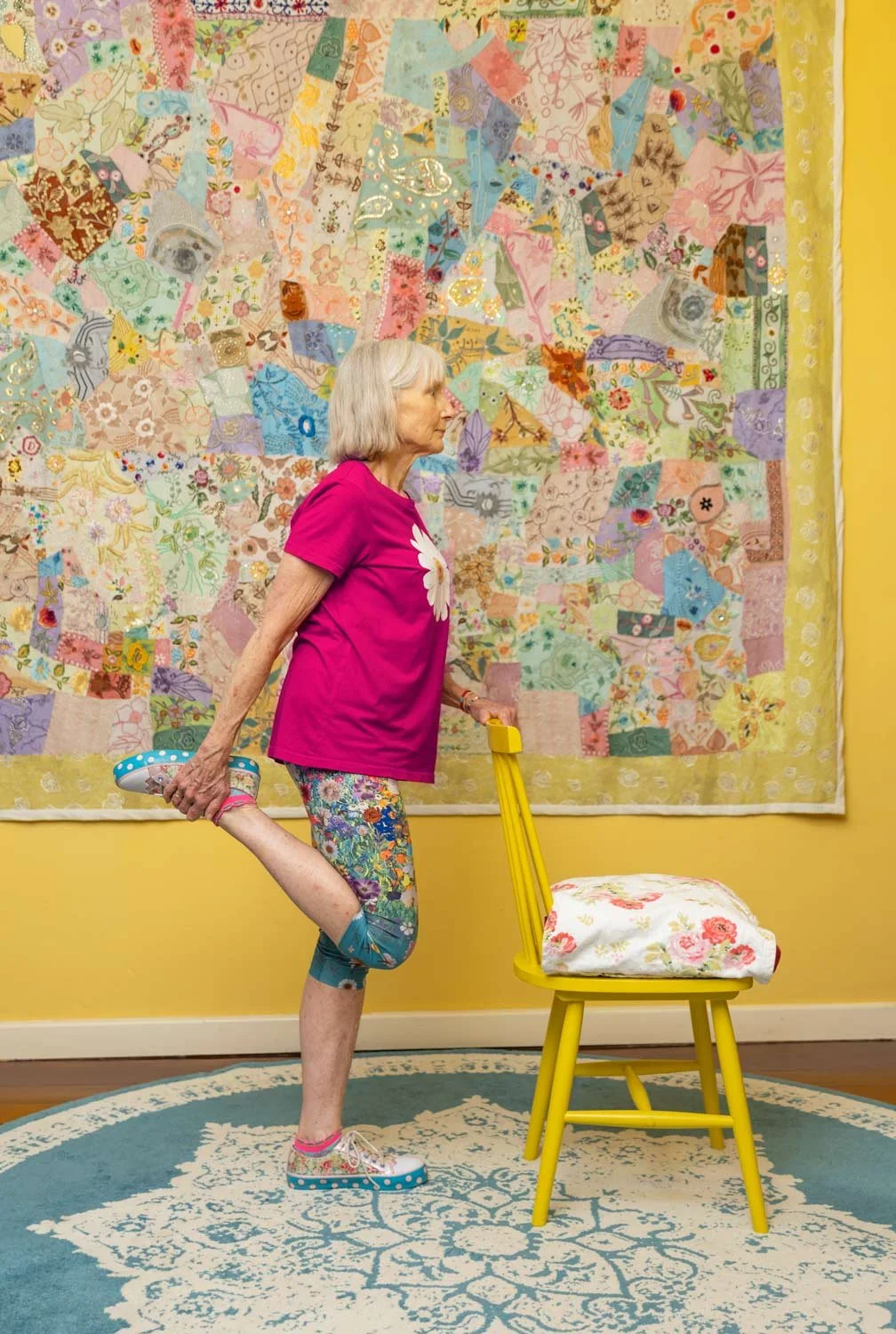
When I say "I'm strong AND I need help," here's what I mean:
My capability in one area doesn't eliminate the need in another.
I'm physically strong, but that doesn't mean I'm financially secure.
I'm emotionally resilient; that doesn't mean I don't need support.
I'm independent in many ways, but that doesn't mean I can do everything alone.
Strength includes knowing when to ask for help.
It takes MORE strength to admit when I need something than to pretend I'm fine.
It takes courage to be vulnerable with people who might judge.
Needing help doesn't erase my capability.
My daughter helping me with medical costs doesn't mean I'm suddenly helpless.
I'm still teaching, still working, still building, and still strong.
The help doesn't cancel the strength; they coexist.
This is the reality of ageing.
Bodies cost money to maintain. Chronic conditions add up, and past financial decisions have consequences.
Strong, capable women STILL need help sometimes. That's not failure, that's being human.
What Would Actually Help
So what WOULD be a helpful response when someone strong admits they need help?
Acknowledge both truths.
"You're incredibly capable AND this is a real challenge. Both make sense."
Not "But you're so strong!" - just: yes, both exist.
Don't minimise the need.
"I'm sorry you're dealing with this; that's hard."
Not "Oh, you'll figure it out!" - just: I see this is difficult.
Offer help without pity.
"Would it help if I [specific offer]? No pressure either way."
Not "Oh, you poor thing, let me rescue you" - just: here's what I can offer if you want it.
Respect the complexity.
Strong people need help.
Capable people have limitations.
Independent people still need others.
That's not a contradiction, that's reality.
What to Say to Yourself
When you're the one who needs help:
Name both truths clearly.
"I'm strong, and I need help right now. Both are true."
Not: "If I were really strong, I wouldn't need this."
Just: "I've been capable my whole life, and today I need support. That doesn't erase everything I've done."
Name what you need specifically.
"I need help covering medication costs this month. Can you help, or do you know someone who might?"
Direct, no shame. Just asking.
Don't justify your strength.
You don't need to prove you're capable in other areas to deserve help in this one.
"I need help with this" is a complete sentence.
Correct the either/or thinking.
When someone says, "But you're so strong!" you can respond:
"I am strong, and I also need help right now. Those aren't opposites."
That teaches without attacking.
Remind yourself before asking for help:
"Asking for help doesn't make me weak; it makes me honest about what I'm facing."
When you feel like you've failed:
"Needing help isn't failure, it's being human. Strong, capable, AND human."
The Gift
When you let someone be strong AND need help, you allow them to be fully human.
When you let yourself be strong AND need help, you allow yourself to be fully human.
Not performing invincibility, and not hiding struggles. Just being real.
That's actually the greatest support you can offer others - and yourself.
You can be strong AND need help. Those aren't contradictions.
Capability in one area doesn't eliminate the need in another.
And when someone strong admits they need help, don't push them back into the "strong" box by minimising their need.
Just witness both truths because both are real.
I'm strong, I lead fitness classes at 67, and I rebuilt my body after an injury. And last week, I needed my daughter's help to afford a medical procedure.
Both are true, and that's okay.
Have you experienced this? Being told you're "too strong" to need help? What would have been more helpful?
Remember: asking for help doesn't make you weak. It makes you human.
Closing Thoughts
If this resonates with you, please comment below and share it with someone who might be struggling with the same feelings.
Ready to stop fighting your age and start building actual strength? Subscribe to Ageing Honestly HERE for bi-weekly essays and videos that tell the truth about what ageing asks—and what it gives back. Real talk, no anti-ageing messages, and no forced positivity.
And remember - you're not just ageing. You're evolving and deepening and expanding in wisdom, fulfillment, purpose, courage, and joy. You're finding yourself again, one honest moment at a time.
Penelope Lane is a clinical psychologist, mindfulness teacher, and fitness and brain health trainer who helps women over 60 build whole strength—body, mind, heart, and soul. At 67, she's learned the hard way that staying alive isn't the same as feeling alive.